


Viewing a potential property is exciting! The fresh paint and stylish staging can easily distract you. However, as an expert, I know that charm often hides costly problems. Therefore, successful buyers don’t just look at the décor. They look for property viewing red flags that signal expensive future repairs or legal issues.
This list of 5 warning signs will help you switch from a dreamer to a detective. Spotting these property viewing red flags early can save you thousands of pounds and months of stress.
The 5 Essential Property Viewing Red Flags
1. The Smell of Damp and Fresh Paint
The most common cover-up is fresh paint, often applied right before viewings. Crucially, you need to use your nose, not just your eyes.
-
Look for: Bubbling plaster, peeling wallpaper, or dark patches on ceilings.
-
Smell for: A lingering, musty odour, or the overwhelming scent of new paint or air fresheners. In fact, sellers sometimes use plug-ins to mask mould or damp issues. Damp is a serious problem that requires professional diagnosis and can lead to structural damage.
2. Poor Water Pressure and Slow Drainage
Don’t be afraid to test the basic functions of the home. In fact, testing the plumbing takes seconds.
-
Action: Turn on taps in the bathroom and kitchen simultaneously. Flush the toilet.
-
Look for: Is the water pressure low? Does the sink drain slowly? Consequently, low pressure can mean outdated plumbing or corroded pipes. Slow drainage often points to blockages or, worse, problems with the main sewage line. This is a very expensive property viewing red flag.
3. Cracks in Walls (Especially External)
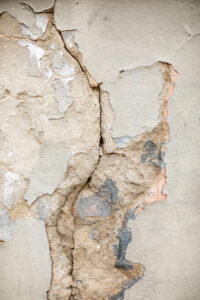
Not all cracks are bad, but deep, wide, or uneven cracks are a major concern.
-
Look for: Cracks wider than a coin on internal or external walls. Specifically, check above windows, doors, and where extensions join the main house.
-
Why it matters: Fine hairline cracks are usually cosmetic. However, large, diagonal cracks can indicate structural movement, subsidence, or foundation issues. Therefore, any crack wider than 3mm needs a specialist structural survey.
4. Evidence of Quick DIY and Missing Documents
Be wary of works that look poorly finished or lack certification.
-
Look for: Badly sealed silicone, mismatched flooring, or amateur wiring around sockets. Furthermore, ask the agent about any structural changes made by the current owner (e.g., knocking down a wall).
-
Ask for: The Building Control Completion Certificates. For example, missing certificates for an extension or a new boiler are serious property viewing red flags that can stop your mortgage application.
5. Overly Eager or Evasive Sellers/Agents
Pay attention to how questions are answered. This often reveals stress points.
-
Ask about: Neighbours, local development plans, and the reason for moving. Ultimately, if the seller or agent is overly vague, defensive, or tries to rush you, this may be a warning sign. In addition, an empty house with no furniture should prompt you to ask why the move was so sudden.
Your Expert Next Step
A property viewing is your best opportunity for early detection. Don’t be shy about investigating. By knowing these property viewing red flags, you save yourself time, money, and stress later on.
We specialise in advising clients on risk mitigation, ensuring you only invest in structurally and legally sound properties.
Take action: Don’t risk costly surprises. Contact our team today to develop a confident strategy for your next property purchase.
