Moving to a new city can be both exciting and daunting. If you’re considering relocating to Birmingham, you’re in for a treat. Birmingham, known as the “Second City” of the UK, offers a wealth of opportunities, a vibrant culture, and a high quality of life.
This blog will guide you through everything you need to know about moving to Birmingham, focusing on the benefits and what you should be aware of.
Birmingham is a hub of economic activity with a diverse job market. The city is home to major companies in finance, technology, and manufacturing.
The presence of large corporations and a thriving startup scene offers ample job opportunities for professionals.
Key Industries: Finance, technology, manufacturing, healthcare, and education. The financial sector is particularly strong, with HSBC’s UK headquarters located here.
Major Employers: HSBC, Deutsche Bank, Jaguar Land Rover, and Cadbury. Additionally, the city is becoming a hotspot for tech startups and innovation hubs.
Compared to London, Birmingham offers a more affordable cost of living. Housing, in particular, is significantly cheaper, which allows for a higher quality of life on a similar budget.
Average Rent: Significantly lower than in London, with a variety of options from city apartments to suburban houses. According to Zoopla, average rents in Birmingham are about 50% cheaper than in London.
Living Expenses: Groceries, transportation, and entertainment are also more affordable, allowing residents to enjoy a higher standard of living.
-
Housing and Neighborhoods:
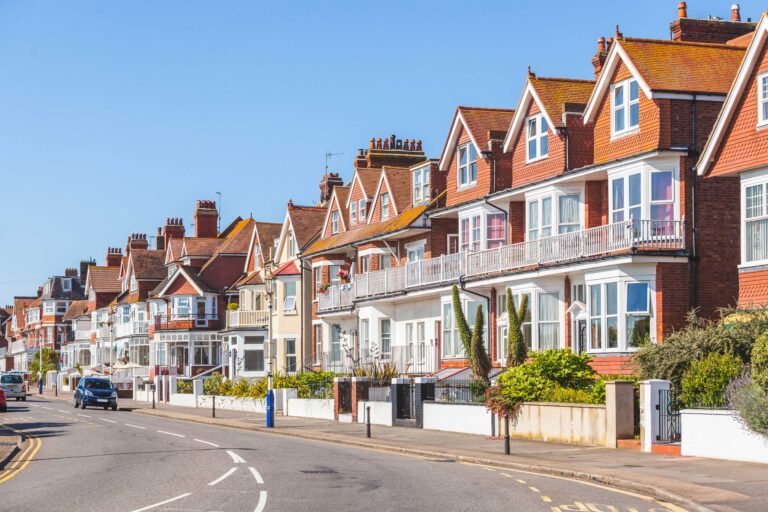
Birmingham offers a range of housing options, from modern city-center apartments to spacious suburban homes. Popular neighborhoods include Edgbaston, Harborne, Moseley, and Solihull.
Family-Friendly Areas: Sutton Coldfield and Harborne offer excellent schools, parks, and amenities.
Young Professionals: Jewellery Quarter and Digbeth are trendy areas with vibrant nightlife and cultural scenes.
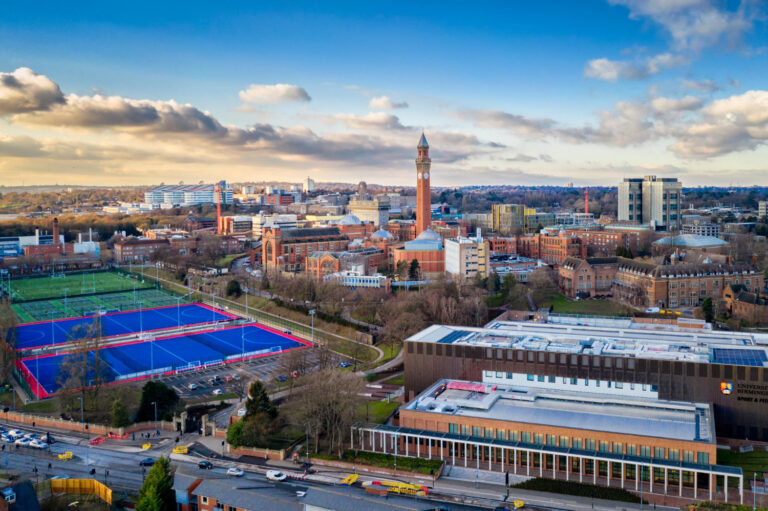
Birmingham boasts excellent educational institutions, from primary schools to universities. The University of Birmingham and Aston University are highly regarded, making the city an attractive place for families and students.
Top Schools: King Edward’s School, Birmingham Blue Coat School. These schools are known for their academic excellence and extracurricular activities.
Universities: The University of Birmingham, Aston University, and Birmingham City University offer a wide range of courses and research opportunities.
Getting around Birmingham is easy thanks to its extensive public transport network, including buses, trams, and trains. The city is also well-connected to other parts of the UK.
Public Transport: West Midlands Metro, National Express West Midlands buses, and a comprehensive train network make commuting simple.
Connectivity: Direct train services to London, Manchester, and Edinburgh make it easy to travel for work or leisure.
-
Culture and Entertainment:
Birmingham is rich in culture and entertainment options. From world-class museums and galleries to vibrant nightlife and music scenes, there’s something for everyone.
Museums and Galleries: Birmingham Museum and Art Gallery, Thinktank Birmingham Science Museum. These institutions offer a range of exhibits from historical artifacts to cutting-edge science.
Theatres and Music Venues: Symphony Hall, Birmingham Hippodrome. The city hosts numerous performances, including West End shows, concerts, and ballets.
Birmingham offers a fantastic shopping experience with the Bullring & Grand Central, Mailbox, and a variety of independent shops. The city’s diverse population ensures a wide range of dining options, from Michelin-starred restaurants to street food markets.
Shopping Hubs: Bullring & Grand Central, The Mailbox. These centres house a mix of high-end and high-street brands.
Dining: Michelin-starred Adam’s, Digbeth Dining Club. The culinary scene is vibrant, with options ranging from fine dining to casual eateries.
-
Parks and Outdoor Spaces:
Despite being a bustling city, Birmingham has plenty of green spaces. Cannon Hill Park, Sutton Park, and the Botanical Gardens offer a respite from the urban environment.
Top Parks: Cannon Hill Park, Sutton Park, Birmingham Botanical Gardens. These parks provide opportunities for walking, cycling, and picnicking.
Outdoor Activities: Walking, cycling, and boating. The city’s canal network also offers unique recreational options.
Birmingham has excellent healthcare facilities, with numerous NHS and private hospitals and clinics. The Queen Elizabeth Hospital is one of the largest and most advanced in the country.
Major Hospitals: Queen Elizabeth Hospital, Birmingham Children’s Hospital. Both hospitals are renowned for their specialist services.
Healthcare Services: Comprehensive NHS coverage and private healthcare options. The city also has numerous GP practices and clinics.
Birmingham is known for its friendly and diverse community. Whether you’re into sports, arts, or social activities, you’ll find like-minded people and numerous community groups. Football enthusiasts will appreciate the local clubs and stadiums.
Community Groups: Various cultural and interest-based groups. The city hosts numerous events and festivals celebrating its diverse population.
Lifestyle: Active social scene with plenty of clubs, societies, and events. The city is also home to popular football clubs like Aston Villa and Birmingham City, ensuring there is no dull moment for sports fans.
Relocating to Birmingham can be a rewarding experience with its economic opportunities, affordable living, excellent education, and vibrant culture. Whether you’re a young professional, a family, or someone looking for a change, Birmingham has something to offer
Now, if you have any specific questions about property investment or life in Birmingham, feel free to contact us. We’re here to help you make a smooth and successful move to this exciting city!