

Author

admin

Browsing
The question of timing plagues every investor. When it comes to real estate, the age-old adage “location, location, location” holds, but is there an equally perfect “time” to jump in?

The truth is, there’s no single, magic answer. The real estate market, much like life itself, is a dynamic environment. While there’s no one-size-fits-all answer, by understanding market trends and personal financial readiness, you can make informed decisions that maximize your chances of success.

Let’s explore when it’s truly the best time to get into real estate investment, backed by compelling statistics.

Market Conditions:

One of the primary factors influencing the timing of real estate investment is market conditions. Analyzing market trends, such as supply and demand dynamics, inventory levels, and price trends, can provide valuable insights into the current state of the real estate market.

For example, a buyer’s market, characterized by low prices and high inventory, may present favorable opportunities for investors to find undervalued properties and negotiate favorable deals.

Economic Indicators:

Economic indicators, such as job growth, unemployment rates, GDP growth, and interest rates, can also impact the real estate market. A strong economy with robust job growth and low unemployment rates often correlates with increased demand for real estate, driving property values and rental prices higher.

Conversely, economic downturns may present buying opportunities for savvy investors, as distressed properties become available at discounted prices.

Interest Rates:

Interest rates play a significant role in real estate investment, as they affect borrowing costs and mortgage rates.

When interest rates are low, borrowing becomes more affordable, making it an opportune time for investors to leverage financing to acquire properties. Low interest rates can stimulate demand for real estate and drive property values higher, potentially increasing returns on investment.

Local Market Factors:

In addition to broader market trends, local market factors such as population growth, job opportunities, infrastructure development, and regulatory policies can influence the timing of real estate investment.

Identifying emerging markets with strong growth potential and favorable investment conditions can provide investors with unique opportunities for capital appreciation and rental income.

The Power of Patience and Planning:

While market cycles can influence buying strategies, it shouldn’t be the sole factor driving your decision. Here’s why:

  • Focus on Long-Term Goals: Real estate is a marathon, not a sprint. While short-term market fluctuations might occur, history has shown that real estate tends to appreciate in value over extended periods [Source needed on appreciation statistic]. Investing with a long-term perspective allows you to weather market corrections and benefit from overall growth trends.
  • The Power of Preparation: Being prepared is key. So regardless of the market cycle, ensure you have a solid financial plan. This includes having a good credit score, securing financing options, and understanding the ongoing costs of property ownership.

By understanding market cycles, conducting thorough research, and aligning your investment goals with your financial situation, you can make informed decisions about entering the real estate market. There’s no one-size-fits-all answer, but with the right knowledge and preparation, you can unlock the exciting possibilities that real estate investment has to offer.
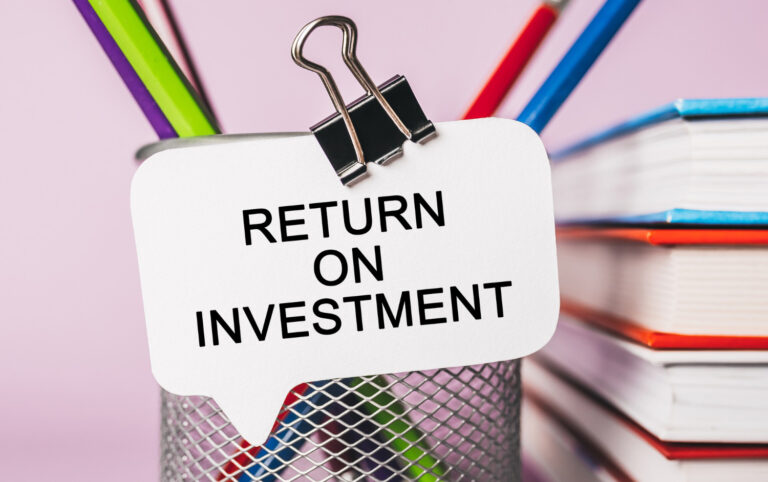
When it comes to real estate investment, understanding Return on Investment (ROI) is paramount. ROI measures the profitability of an investment relative to its cost and is a critical factor in assessing the success of real estate ventures.

Imagine a scenario where your investment not only grows in value over time but also generates a steady stream of income. Real estate offers this unique potential, making it a highly sought-after investment strategy. But how do you measure the return on your investment (ROI) in real estate?

Understanding ROI in Real Estate:

ROI in real estate is the ratio of net profit generated by an investment property to the initial investment cost. It provides investors with insights into the efficiency and profitability of their real estate ventures.

Calculating ROI involves considering various factors, including rental income, property appreciation, operating expenses, financing costs, and taxes.

ROI 101: Understanding the Math Behind the Magic

ROI = (Gain from Investment) / (Total Investment Cost) x 100%

Key Metrics for Assessing ROI:
  • Cash-on-Cash Return: Cash-on-Cash return measures the annual pre-tax cash flow generated by an investment property relative to the amount of cash invested. It is calculated by dividing the annual net operating income (NOI) by the initial cash investment.

Example: A property generating $10,000 in annual NOI with an initial cash investment of $100,000 would have a Cash-on-Cash return of 10%.

  • Cap Rate (Capitalization Rate): Cap Rate is a key metric used to evaluate the rate of return on an investment property based on its net operating income (NOI) and current market value. It is calculated by dividing the property’s NOI by its market value or purchase price.

Example: A property with an NOI of $50,000 and a purchase price of $500,000 would have a Cap Rate of 10%.

  • Gross Rental Yield: Gross Rental Yield measures the annual rental income generated by an investment property relative to its purchase price. It is calculated by dividing the annual rental income by the property’s purchase price and expressing the result as a percentage.

Example: A property generating $20,000 in annual rental income with a purchase price of $400,000 would have a Gross Rental Yield of 5%.

Strategies for Maximizing ROI:
  • Location Selection: Choose investment properties in high-demand locations with strong rental markets and potential for appreciation. Conduct thorough market research to identify emerging neighborhoods and areas with growth potential.
  • Property Renovation and Enhancement: Increase the value of investment properties by renovating and enhancing their features and amenities. Focus on cost-effective improvements that yield the highest return on investment, such as kitchen and bathroom upgrades, landscaping, and curb appeal enhancements.
  • Efficient Property Management: Implement efficient property management practices to minimize vacancy rates, reduce operating expenses, and maximize rental income. Screen tenants carefully, address maintenance issues promptly, and maintain positive landlord-tenant relationships.
Beyond the Numbers:

While ROI is a valuable metric, it doesn’t capture the full picture. Real estate offers additional benefits like:

  • Steady Cash Flow: Rental income provides a reliable income stream, which is important for financial security and achieving your goals.
  • Hedge Against Inflation: Real estate values tend to rise with inflation, protecting your investment’s purchasing power.
  • Tax Advantages: Real estate ownership offers potential tax benefits through deductions for mortgage interest and depreciation.
The Allure of Real Estate ROI

Statistics paint a promising picture for real estate investors. According to the National Association of Realtors (NAR), the median annual return on investment for single-family homes in the US is around 8.6%. This surpasses the average annual stock market return, which is generally around 7%

Investing in real estate can be a rewarding journey. By understanding ROI, its influencing factors, and the broader benefits, you can make informed decisions and pave the way for a secure financial future.

Remember, what one investor considers a “good” ROI may differ based on risk tolerance and investment goals.